Audiology AuD
The AuD degree offers advanced study for students pursuing a career as a licensed audiologist
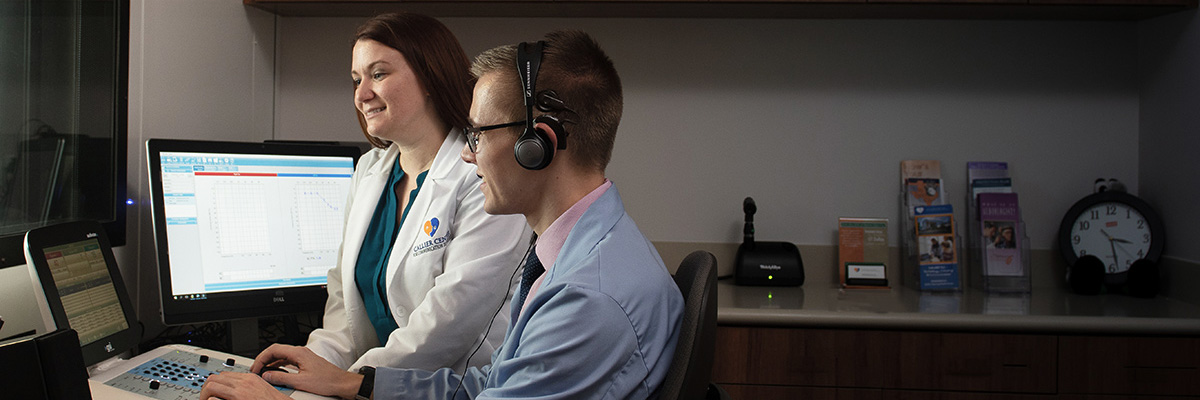 AuD students are prepared for service as audiologists through our in-house and external opportunities to serve patients directly, beginning in week 3 of their program.

Overview
Audiologists are health care professionals who provide preventative and diagnostics care and treatment for individuals across the lifespan with hearing or balance disorders. The Doctor of Audiology (AuD) Program at The University of Texas at Dallas is a four-year post-baccalaureate degree that offers advanced study for students who will become licensed audiologists.
Mission
The program’s mission is to prepare life-long and independent learners equipped with essential theoretical knowledge and clinical skills across the scope of audiology; to provide academic and clinical experiences consonant with each student’s developing interests and career goals; to engage students in innovative, interdisciplinary, collaborative, and culturally competent clinical preparation; and to develop future leaders in local, national, and global communities. The AuD program fosters personal and professional wellness while preparing graduates to meet the challenges of a constantly changing field.
Welcoming Environment
The UT Dallas Audiology program recognizes the value of diversity in our profession, to the people we serve, their families and friends, students in our program, and other professionals with whom our graduates will work. The program welcomes diversity in life experience, gender, race/ethnicity, socioeconomic status, religion, sexual orientation, nationality and disability. We embrace a holistic approach to admissions. Every student is supported through comprehensive classroom, clinical and volunteer experiences by assigned peer and faculty mentors who facilitate the placement of our graduates in rewarding positions where their impact may be multiplied.
Curriculum
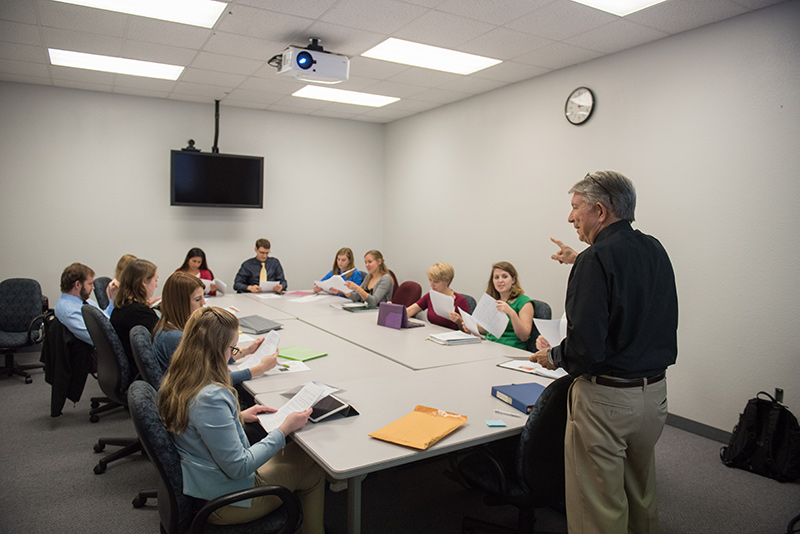
The AuD clinical doctoral program is a four-year program, which requires a minimum of 100 semester hours over 11 semesters. Course modalities include classroom instruction, hands-on laboratory, clinic rotations across the scope of audiology practice, and one-on-one mentored research credit hours. Courses in the AuD Program comprise foundation, core, advanced and experiential credit hours. Courses reflect breadth and depth of the audiology scope of practice, including prevention, diagnostics and rehabilitation of hearing and vestibular disorders, the tenets of practice management and issues pertinent to the profession and healthcare. A sequence of classroom and individual research courses prepares AuD students to be critical consumers of research, participate in clinical research or prepare to enter a research doctorate. The university’s course look-up site, Coursebook, provides course descriptions of the AuD courses, which begin with the course prefix AUD.
Overview
The UT Dallas Graduate Catalog provides information on degree requirements for the AuD.
The AuD program tracks each student’s growth in knowledge and skills via cumulative, formative assessments during the first three years of the program, including clinical competency checks and comprehensive written and oral examinations. Students who complete the AuD degree will meet the academic and clinical education requirements for Texas state licensure in audiology. Graduates will be eligible for certification by the American Board of Audiology (ABA) after licensure, dependent upon completion of ABA-required hours. Graduates of the program will meet qualifications for the American Speech-Language Hearing Association (ASHA) Certificate of Clinical Competence in Audiology (CCC-A) if they elect to complete the externship under the supervision of a state-licensed audiologist who holds current ASHA CCC-A.
Additional details on the degree requirements, including courses, clinic, research, and non-mandatory opportunities are provided below.
Clinical Experiences
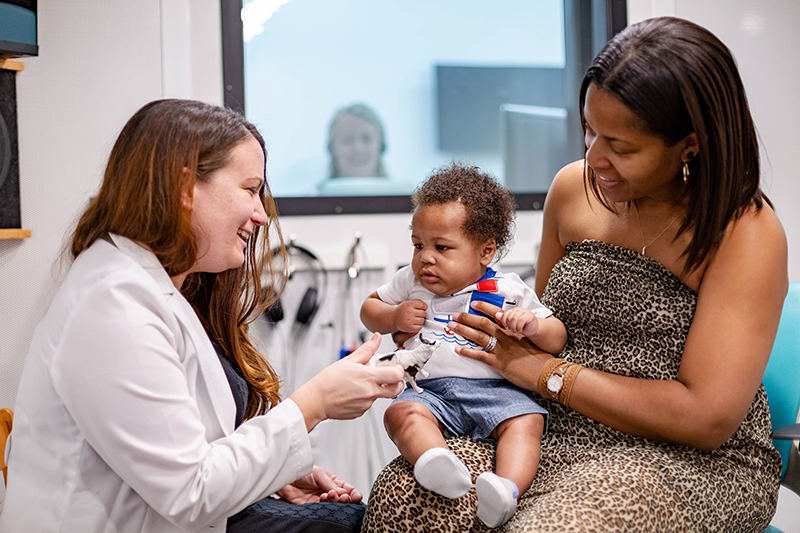
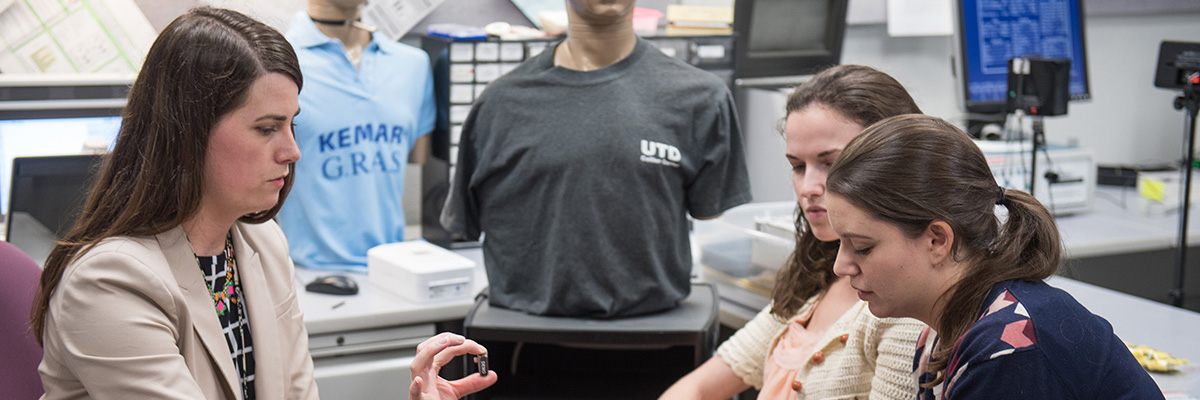
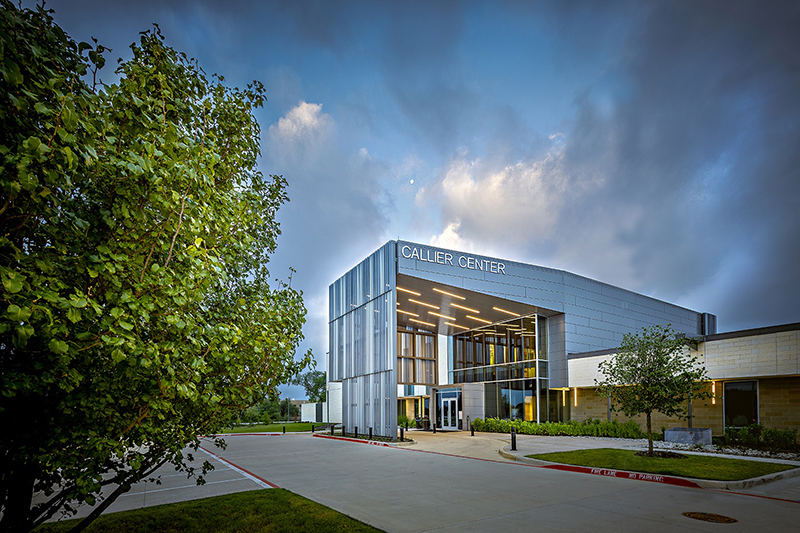
AuD students are given clinical experiences across a variety of patient populations and service settings. In the first three years of the program, all students have clinic rotations at the UT Dallas Callier Center for Communication Disorders, which has both Dallas and Richardson campuses; additionally, students participate in off-site rotations in numerous clinical, hospital, private practice and school systems within the Dallas-Fort Worth Metroplex. The full-time clinical externship in the final year of the program takes place at vetted facilities across the country that offer the breadth and depth of service consistent with the program’s commitment to education.
Students participate in clinical services beginning the first semester of the program. By the end of the program’s third year, each student will have completed mandatory rotations across the scope of audiology practice and in various service settings:
AuD Clinic Rotations
UTD Callier Center for Communication Disorders
- Infant, School-Age and Adult Hearing Evaluations
- Infant, School-Age and Adult Hearing Aids and Hearing Assistive Technology
- Tinnitus and/or Hyperacusis Clinic
- UT Pediatric Cochlear Implant Program
- Callier Balance Center (pediatric and adults)
- Auditory Processing Disorders
- Educational Audiology
- Electrophysiology Assessments
- Parent-Infant, School-Age and Adult (Re)Habilitation Programs
Hospital Partners:
University of Texas Southwestern Medical Center
ENT, comprehensive hearing evaluations, auditory electrophysiology, balance diagnostics, tinnitus, hearing aids, cochlear implants
- Parkland Hospital
- Campus West
- Children’s Health Medical Center
Cook Children’s Medical Center
ENT, auditory electrophysiology, hearing aids, cochlear implants, specialty clinics
North Texas Veteran’s Medical Center
Comprehensive hearing, balance, tinnitus assessment and management of the nation’s veterans
Metroplex ENT/Medical and Private Practice Healthcare Facilities
The AuD program partners with over 50 off-campus sites that provide students with outstanding clinical education opportunities. Each student has multiple medical and private practice rotations that offer an array of diagnostic and management hearing health services.
In addition, we offer specialized rotations to accommodate students’ interests and career goals (e.g., Auditory-Verbal Therapy, Occupational Health, Industry/Manufacturers, and Short-Term Internships).
Research Experiences
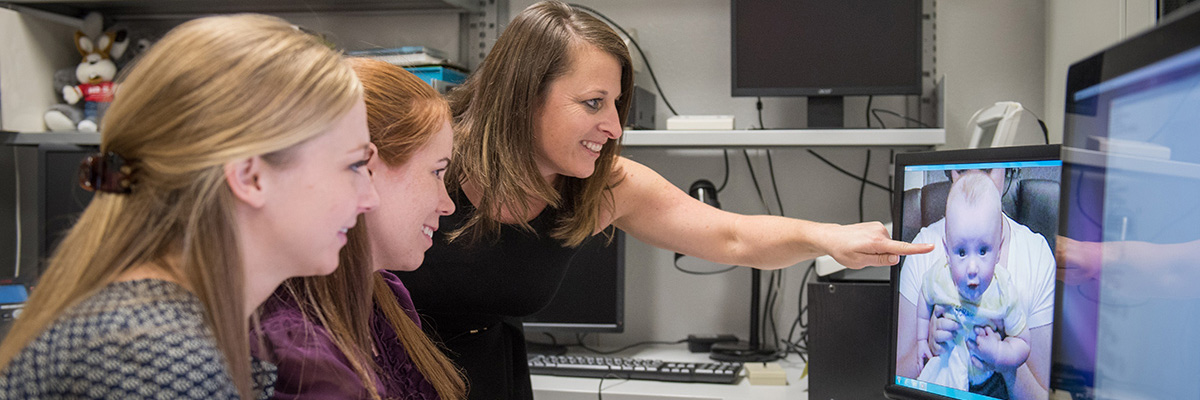
Audiologists must be knowledgeable consumers of clinical research relevant to the delivery of services to persons with auditory or balance disorders. Students take a required research course, and over the course of three semesters in the second and third years of the program, each student works closely with a faculty mentor in writing a substantive literature review, designing an empirical research project, obtaining ethical approval, and conducting the research project. Students complete the research requirement by producing a manuscript and a poster presentation delivered to the UT Dallas community. In addition, student research projects often yield presentations at state and national conferences, with many students winning awards for their exemplary research. The individual research experience constitutes 3 credit hours of the AuD Program.
In addition to mandatory, mentored third-year research projects, students are encouraged to participate in faculty research projects at any stage of their program.
Experiential Opportunities
Students may pursue additional experiential opportunities that appeal to their goals for future employment, expand their professional network, and give back to the community. Students are required to at minimum participate in one community service experience during their four years in the program, but they are encouraged to participate in as many as possible. A sampling of these opportunities is provided below.
Pediatric Audiologic Technology and Habilitation (PATH) Specialization: Students admitted to the AuD Program may apply to complete the Pediatric Audiologic Technology and (PATH) specialization. This program, geared toward audiologists and speech-language pathologists, trains clinicians to work with children who are deaf or hard of hearing and their families to maximize their auditory communication. The program includes required coursework, clinical activities, and professional and service opportunities beyond those required as part of the AuD program.
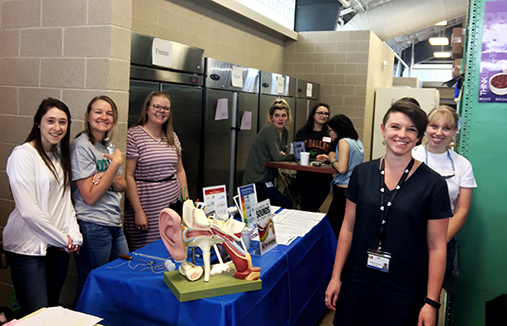
Local Community Outreach: Students participate in a wide range of community service events throughout Dallas-Fort Worth, with a particular interest in making a difference in the hearing health care for underserved populations. Routine service events include:
- Pediatric hearing screenings at the Union Gospel Mission’s Center of Hope Women and Children’s Shelter, with on-site collaboration with otolaryngology, physical therapy, and early childhood intervention services to streamline referrals and intervention
- Pediatric and adult hearing evaluations at the Brother Bill’s Helping Hand Community Health Clinic, with on-site collaboration with otolaryngology and other healthcare professionals
- Adult hearing evaluations at the Agape Clinic, a charity clinic serving the Dallas community
- Hearing screenings at the Special Olympics Texas Healthy Athletes events
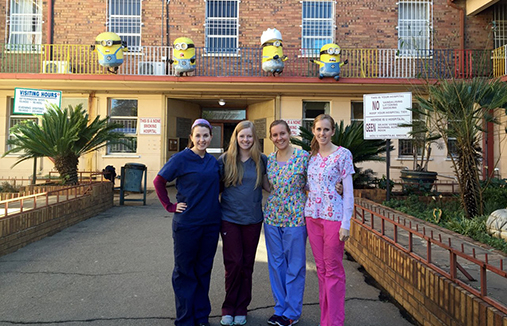
Global Humanitarian Audiology: Students may participate in study abroad humanitarian programs to South Africa for 10-14 days in the summer or to Yucatán, Mexico during spring break. Academic credit is earned through clinical and/or didactic experience including self-study, lecture and on-site experiences. Students are immersed in patient care in underserved regions; they engage in interactions with professionals of the host facility; and learn first-hand insight into the specific challenges involved in providing hearing health care services within the context of the country and culture.
Essential Functions & Technical Skills
The essential functions and technical standards for admission to and continued enrollment in the AuD program reflect the essential qualities and abilities that are considered necessary to a student’s academic and clinical performance and success as an independent practitioner upon graduation. The ability to meet these Technical Standards is required for admission and must also be maintained throughout a student’s progress in the major. In the event that a student is unable to fulfill these essential functions and technical standards, with or without reasonable accommodation, then the student may be dismissed from the program. Applicants must carefully review the essential functions and technical standards below to determine whether or not they can meet these standards with or without accommodation.
Program Accreditation & Outcome Data
The University of Texas at Dallas Doctor of Audiology Program is accredited by the Accreditation Commission for Audiology Education (ACAE), Office at the American Academy of Audiology, 1480 Commerce Park Drive, Suite 220, Reston, VA 20191, 703-226-1056.
The Doctor of Audiology (Au.D.) education program in audiology (residential) at The University of Texas at Dallas is accredited by the Council on Academic Accreditation in Audiology and Speech-Language Pathology of the American Speech-Language-Hearing Association, 2200 Research Boulevard, #310, Rockville, MD 20850, 800-498-2071 or 301-296-5700.
Student Outcome Data
On-Time Completion Rates
| Year | # Completed within Expected Time Frame | % Completed within Expected Time Frame |
|---|---|---|
| 2022-2023 | 12 | 100% |
| 2021-2022 | 12 | 100% |
| 2020-2021 | 14 | 100% |
Praxis Examination Pass Rates of Test-Takers
| Year | # Taking the Exam | % Passed Exam Rate |
|---|---|---|
| 2022-2023 | 12 | 100% |
| 2021-2022 | 11 | 100% |
| 2020-2021 | 7 | 100% |
Employment Rates of Graduates
| Year | # of Graduates from Prior Year | % of Graduates Employed from Prior Year |
|---|---|---|
| 2022-2023 | 12 | 100% |
| 2020-2021 | 14 | 100% |
| 2019-2020 | 14 | 100% |
Strategic Plan
View the UT Dallas AuD Program’s Strategic Plan for 2018-2023.
FAQs
How Many Students Apply and are Accepted into Your Program?
Over the past several years, applicants have ranged in number from approximately 75–120, and the program currently admits 13-15 new students each year.
What is the Typical Profile for Students Admitted into Your Program?
The AuD program welcomes students from all undergrad majors, particularly those with a strong science background. The graduate school requires a GPA of 3.0 in upper-division courses. The AuD program does not have a lower limit to GRE scores but the typical GPA and GRE are 3.7 and 305-315 respectively, for students admitted to the program. In addition to these quantitative metrics, a student’s admission profile includes letters of support, a personal statement, and an interview conducted virtually or face-to-face. The program strives to admit students who demonstrate responsibility for learning, resilience and interest in other activities such as community engagement, advocacy, and/or research. We seek students who display a clear interest in health care and who exhibit good interpersonal skills, and we look to the letters of support, personal statement and interviews to provide evidence of these qualities.
What Sets this AuD Program Apart from Other AuD Programs?
At UT Dallas, we pride ourselves on our consistently high national rankings among all AuD programs, which currently place us tied at #3. We have a rich history of comprehensive, high-quality service to the community, advances in the field, and training generations of audiologists. UTD students participate in comprehensive clinic opportunities across the patient lifespan and scope of practice. Clinical rotations begin in the first semester and continue through the third year both within the Callier Center general and specialty clinics and with our extensive network of off-site providers in the Dallas-Fort Worth area. The AuD program continues to grow with cutting-edge programs: simulated learning environments; telehealth; humanitarian and community outreach projects; specialty academic tracks, such as the Pediatric Audiologic Technology and Habilitation (PATH) specialization specialty, and “out-of-the-booth” experiential opportunities: SIARC (Summer Intensive Revitalization Conference) for adults, Camp CHAT (Communication via Audition for Teens), and Broadway Dallas camps for children with hearing loss. The entire AuD clinical and academic program attends the student-presented, interactive, weekly Grand Rounds.
Students become better clinicians when they understand the basic considerations of the scientific process, so they can critically evaluate evidence to support their clinical practice. As such, we provide extensive opportunities across all types of basic, clinical and translational research, and we support our students in answering unique research questions that often drive new and emerging projects long after they have graduated.
Students are supported by a team of faculty and clinicians who value hands-on, open-door policies. The audiology faculty are among the most accomplished and recognized in the USA. They serve in key leadership positions on national and international boards, publish in high-impact peer-reviewed journals, write well-recognized audiology/hearing science textbooks, and earn competitive extramural funding.
Finally, our AuD program is housed within the School of Behavioral and Brain Sciences (BBS). Multi-disciplinary collaboration with our colleagues across the programs of Neuroscience, Psychology and Child Development facilitate unique expertise in the neurobiology of communication disorders and psychosocial impact of communication disorders, in addition to our excellent education in the typical clinical care concentrations.
What Steps is Your Program Taking to Ensure Representation from Diverse Groups in the Field of Audiology?
The program, the SLH department, BBS, and the University are dedicated to implementing the principles of diversity, equity and inclusion in all aspects of university life:
- The University implemented the Living our Values Task Force, and students are invited and encouraged to participate, resulting in the hire of Dr. Yvette Pearson as the Vice President of the Office of Diversity, Equity and Inclusion
- Department of Speech, Language, and Hearing faculty, clinicians, staff and students have seminars on implementing principles of diversity, equity, and inclusion, including workshops focused on managing bias of patients towards students in clinical learning environments
- The AuD program offers diversity training to our off-site clinical education partners on managing bias in clinical learning environments
- The AuD program revamped the admissions process for greater consideration of diversity and life experiences, including additional consideration given to students from rural areas, first-time college students, those who have overcome barriers in pursuit of education, and students whose education led them to pursue STEM-heavy undergraduate degrees
- The Callier Center for Communication Disorders added a statement of respect to all clinical paperwork
Are There Funding and Work Opportunities for AuD Students?
A limited number of 10-hour per week, hourly-paid graduate assistantships are awarded to each incoming cohort, and funding continues through the third year of the program contingent on the continued availability of funding. There are numerous other employment opportunities within the program’s research laboratories and the Callier Center. Over 80% of students who wish to work are employed via the university. Additionally, a limited number of competitive, academic $1,000 per year scholarships are awarded. These scholarships make out-of-state students eligible for in-state tuition, pending availability.
Is it Possible to Earn My AuD and PhD at the Same Time in Your Program?
The AuD can be pursued in parallel to the PhD when students have dual clinical and scientific training interests. AuD students are eligible to apply for admission to the PhD Program beginning the fall of their second year, for PhD program admission during the fall of AuD year 3. The remaining AuD coursework is completed in parallel to PhD coursework over an extended period of time. A highly individualized program plan is developed for each dual AuD/PhD student based on research interests. For students completing both degrees, the externship can be completed during a leave of absence from the PhD program or can be completed over two years with part-time research and part-time clinical practicum.
How Has the Pandemic Affected the Academic and Clinical Preparation of AuD Students?
The safety and well-being of not only patients but also UTD students, faculty and staff are of prime importance. Consistent adherence to safety requirements has resulted in a very low infection rate among UTD students, faculty and staff since the start of the pandemic. All persons must wear face coverings when in our on-campus clinic. The program utilizes state-of-the-art simulation programs to complement hands-on experiences, and the university continues to monitor local and state emerging health guidance.
The Callier Center Clinic and facilities are subject to the Center for Medicare and Medicaid Services (CMS) federal vaccine requirement because they are regulated under CMS standards, specifically 42 CFR 485.701 et. seq. – Conditions of Participation for Clinics, Rehabilitation Agencies, and Public Health Agencies as Providers of Outpatient Physical Therapy and Speech-Language Pathology Services. The federal COVID vaccination requirement applies to all individuals who perform work at, or routinely visit, a Callier facility, including students engaged in clinical practicum. AuD students are required to comply with the federal vaccination mandate as it applies to the Callier Center.